
Key Comparisons
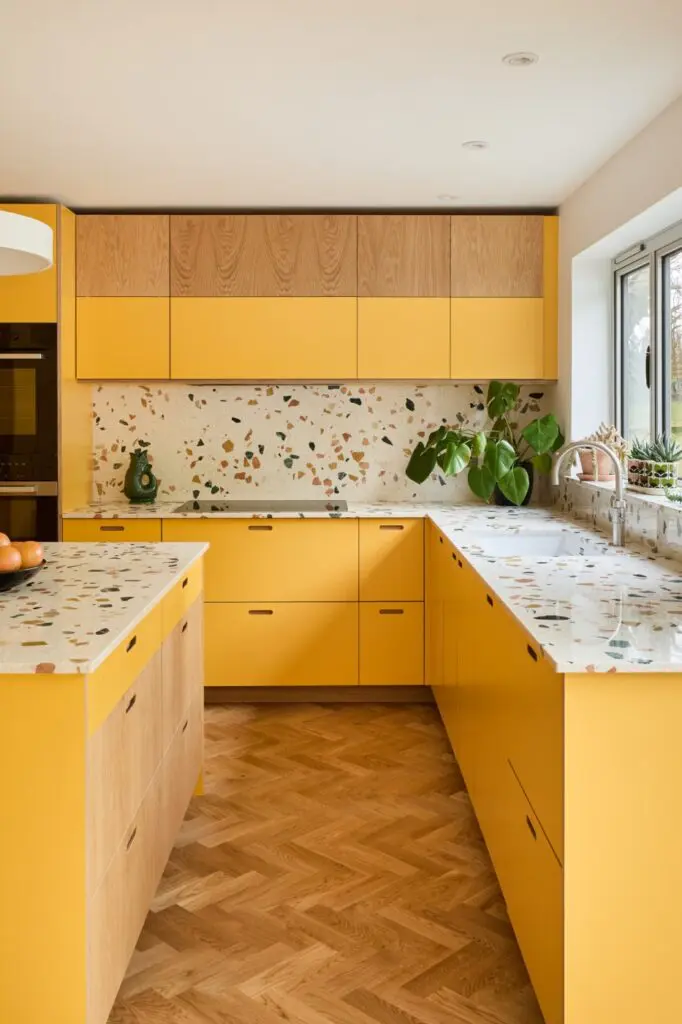
Terrazzo: when installed, sealed and maintained correctly, terrazzo is a durable material. As a choice for seamless flooring, terrazzo is ideal for high-traffic areas like offices, airports, and shopping centres. In some scenarios, such as use as kitchen worktops, care must be taken to avoid damage including stains.
Marble: although marble appears to be a strong material, it is, in fact, softer than terrazzo and more prone to scratching and staining. It requires regular sealing to maintain its appearance, particularly in high-use areas.
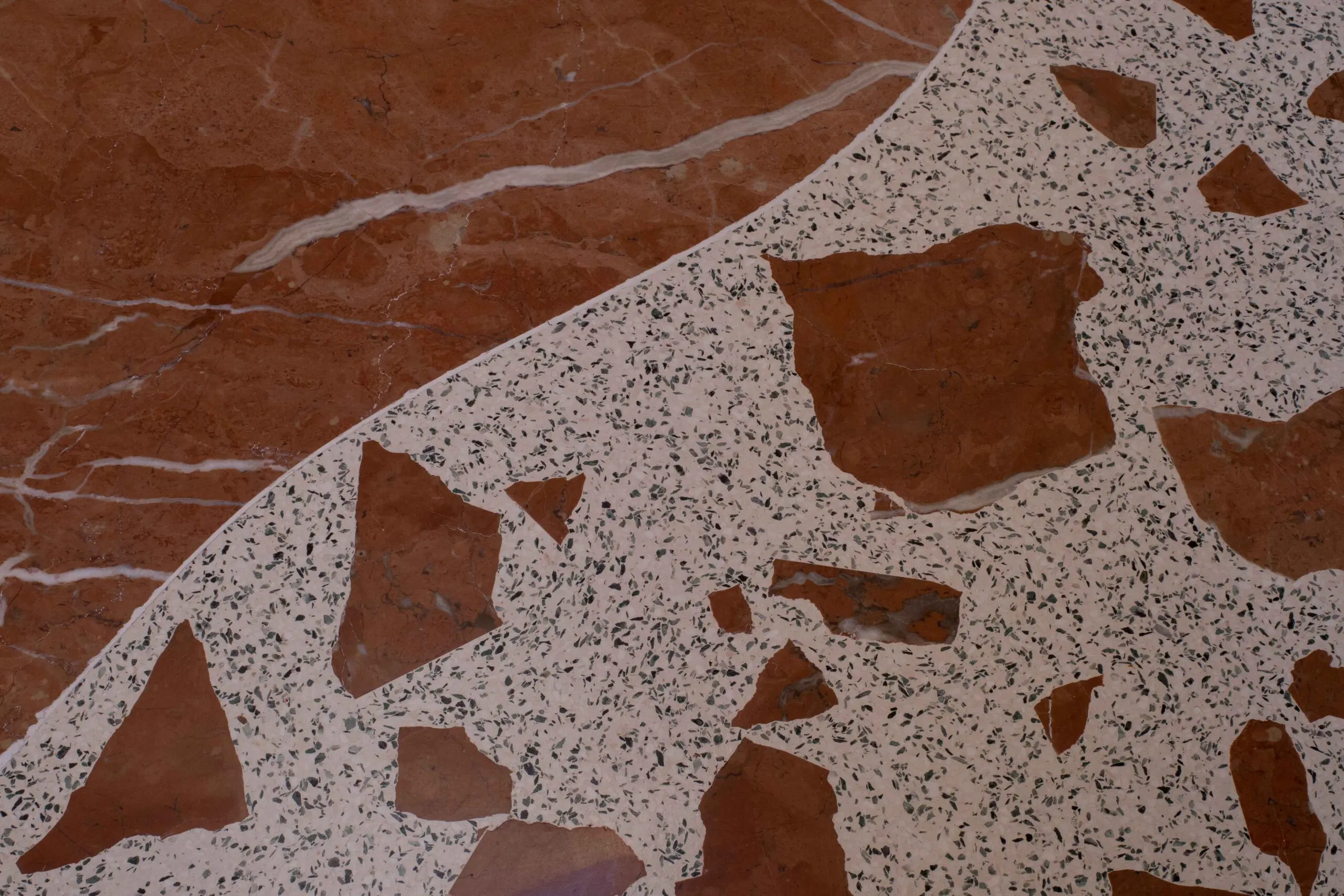
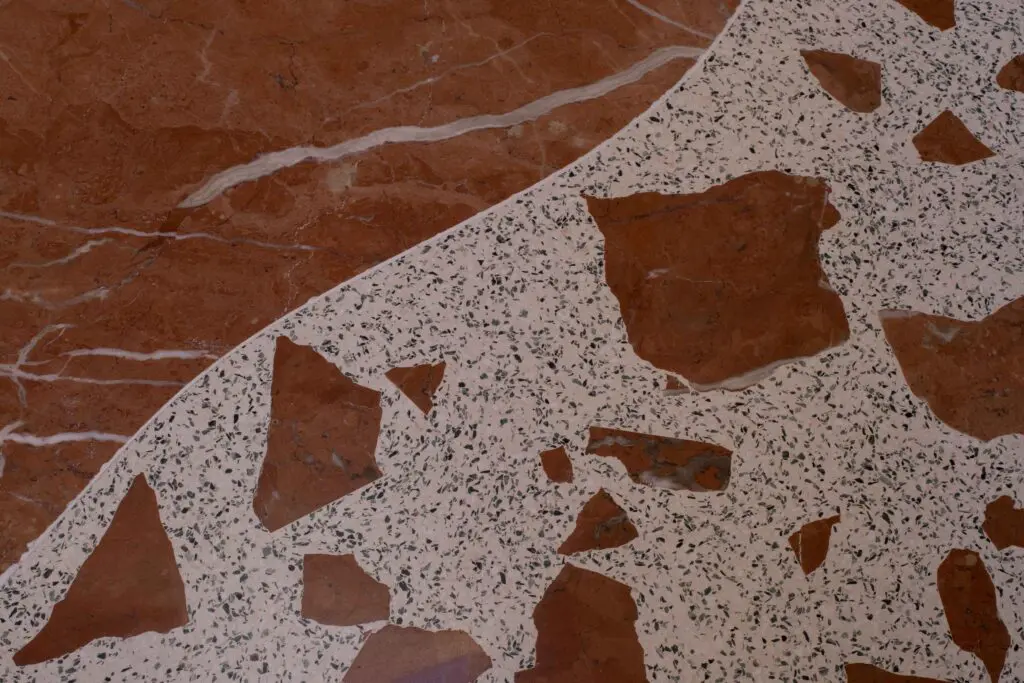
Terrazzo: as a man-made material there are limitless design possibilities, with many different ready-made designs available. Additionally, colours, aggregate sizes and patterns can all be customised, making it a popular choice for contemporary interiors.
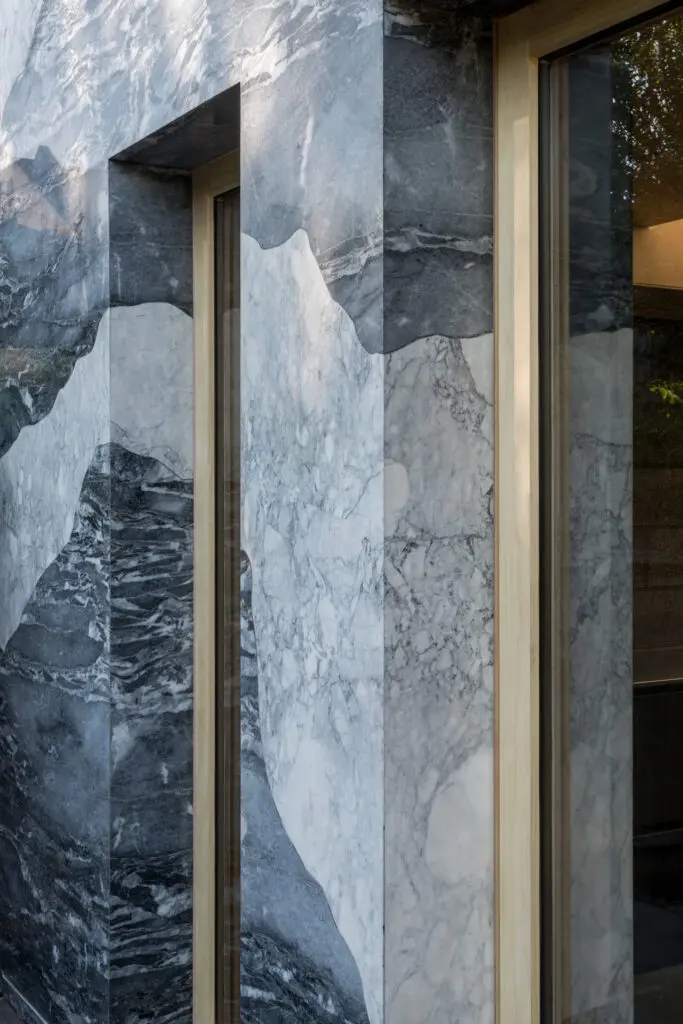
Marble: this natural material is renowned for its unique beauty. Each slab of marble is one-of-a-kind, with variations in veining and colour adding to its appeal. Many clients enjoy choosing a particular slab for their project.
Terrazzo: in many situations terrazzo is relatively low maintenance, especially epoxy-based terrazzo, which is non-porous and stain-resistant. For floors, cleaning involves simple sweeping and occasional mopping. Worktops can be wiped down with a neutral cleaner. Generally terrazzo should be regularly resealed.
Marble: requires more care to prevent etching and staining, especially in areas like kitchens and bathrooms. Here, sealing and resealing is essential for long-term use as marble is a porous material.
Terrazzo: there are different ranges of terrazzo, from standard to luxury as well as bespoke. Price will depend on which you choose. Seamless flooring may cost more than marble due to labour-intensive installation, but its durability can balance this out.
Marble: some marbles are relatively common, whilst others are quite rare. Price points will be governed by the type of marble and point of origin. Maintenance costs may add up over time.